

 Showroom
 Your Home
 Install & Service
 Home Tech
 Products
 Why To Buy
 About Us
 GenMonitor
 Find A Location
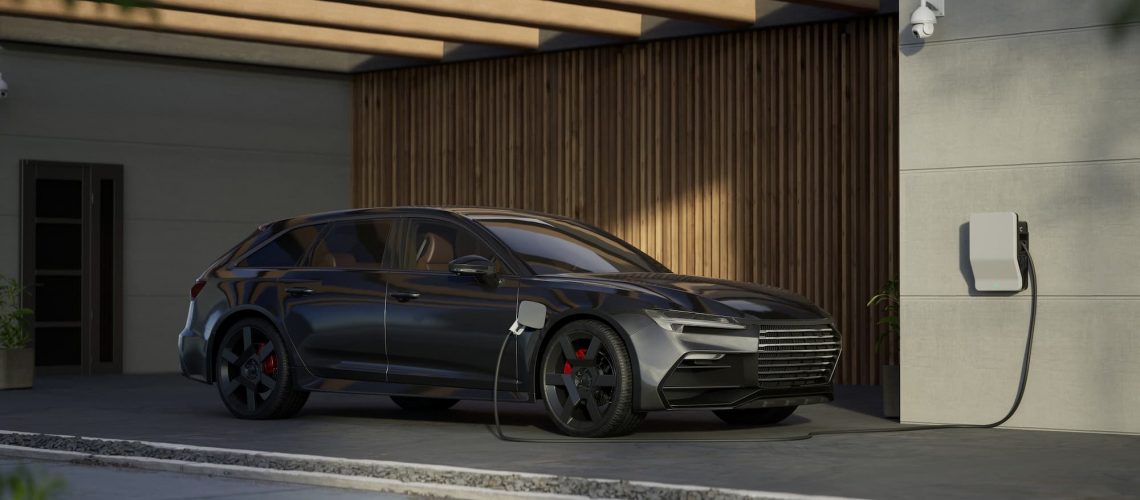
EV owners need to understand how long it takes to charge their electric cars at home. As electric vehicles rise in popularity, it’s best to know how factors like charger levels, battery size, and vehicle type affect charging time. That way, you can use this information to determine whether you should install an EV charger at home. Generator Supercenter of Sarasota offers expert installation services and insights to make your life easier. Let’s look at the key elements that influence charging duration so you can pick the best home charging solution.
What Factors Affect Electric Car Charging Time?
Charging an electric car is not a one-size-fits-all process. Several factors influence how long it takes, including the charger level, battery size, and vehicle type.
Charger Level: Chargers come in three main types: Level 1, Level 2, and DC fast charging. Each offers different speeds. Level 1 is the slowest, and DC fast charging is the quickest.
Battery Size: A larger battery means more time on the charger, but it also means more miles between charges. Knowing your car’s battery capacity helps you plan charging times better.
Vehicle Type: Not all electric cars charge at the same rate. Some models are equipped with advanced systems that allow for faster charging. Checking your car’s specs can give you a clearer picture of what to expect.
Knowing these factors can help you choose the right home charging setup. Generator Supercenter of Sarasota offers expert advice and installation services to ensure your charging needs are met efficiently.
How Long Does It Take to Charge an Electric Car Based on Charger Level?
The time it takes to charge an electric car largely depends on the type of charger used. Here’s a quick look at the different options.
Level One Charging: This basic method uses a standard 120-volt outlet that is ideal for overnight charging at home. It’s the slowest option, adding about 3 to 5 miles of range per hour. Depending on your car’s battery, a full charge could take 8 to 20 hours.
Level Two Charging: Using a 240-volt outlet, similar to those for dryers or ovens, Level 2 chargers are much faster. They add 10 to 60 miles of range per hour, making them popular for home installations. A full charge typically takes 4 to 10 hours.
DC Fast Charging: Mostly found in commercial locations, this option rapidly charges by converting AC to DC power. It can charge a car to 80% in about 30 minutes. However, not all electric vehicles support this, and frequent use might affect battery life.
How Does Battery Size Impact Charging Time?
Battery size plays a major role in charging duration. Larger batteries hold more energy, which extends driving range and increases charging time. For example, a 40 kWh battery might take around eight hours with a Level 2 charger, while a 100 kWh battery could require up to 20 hours. Knowing your battery capacity helps in planning your charging routine effectively.
How Do Vehicle Types Influence Charging Time?
Charging times can vary significantly between electric vehicle models. Some are designed for faster charging, while others may have limitations due to battery chemistry or onboard equipment. Check your vehicle’s specifications to understand its charging capabilities and set realistic expectations.
Why Choose Home Charging Solutions from Generator Supercenter of Sarasota?
Home charging solutions offer convenience and cost savings. Charging overnight ensures your vehicle is ready each morning. Generator Supercenter of Sarasota provides professional installation services that are tailored to your needs to ensure safety and compatibility with your vehicle. Choosing our services means expert installation and ongoing support, giving you peace of mind.
Get in Touch Today
Home charging makes it easy to charge on your schedule. For reliable EV charger installation, contact us at Generator Supercenter of Sarasota. We’re here to help you transition to electric vehicle ownership smoothly.
Featured Image: supamotion.co / Shutterstock