

 Showroom
 Your Home
 Install & Service
 Home Tech
 Products
 Why To Buy
 About Us
 GenMonitor
 Find A Location
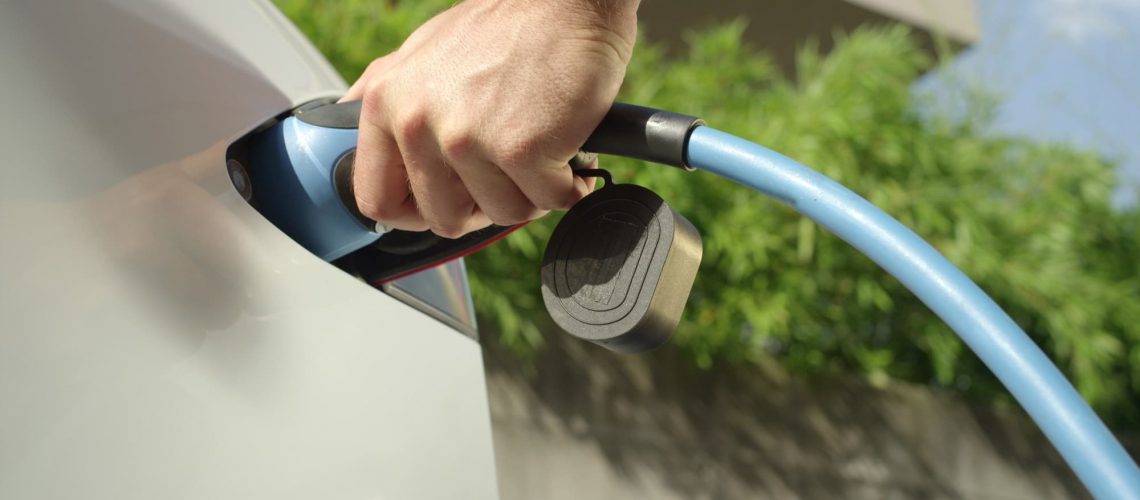
Electric vehicles continue to grow in popularity, but many drivers still wonder about cost. So, how much does it cost to charge an electric car compared to filling up at the pump? For homeowners considering an EV, understanding the cost to charge an electric car helps you make informed decisions about savings and convenience.
Compare fuel costs, explore long-term benefits, and see why installing a home EV charger with Generator Supercenter of Sarasota delivers comfort, reliability, and value.
How Much Does It Cost to Charge an Electric Car?
The cost of charging an electric car depends on electricity rates in your area and how efficiently your vehicle uses energy. Most drivers can calculate the cost by multiplying their utility’s price per kilowatt-hour (kWh) by the size of the car’s battery. On average, U.S. electricity rates run between 14 and 17 cents per kWh, which means a full charge for a 60 kWh battery typically ranges from $8 to $10—far less than a tank of gas. Over a year, that difference can save Florida drivers hundreds compared to fueling a traditional vehicle.
Is It Cheaper to Charge an EV at Home?
Yes, charging at home often costs less than using public charging stations. While fast chargers on the road add convenience, they usually charge higher rates per kWh. Home charging gives you predictable costs and the flexibility to plug in overnight when rates may be lower. Public networks may vary in price depending on membership plans or demand, but your utility bill remains consistent month to month.
Benefits of home charging include:
- Lower electricity costs compared to most public stations
- Convenience of charging on your schedule
- Potential savings from off-peak utility rates
- No waiting in line or driving to find a charger
How Much Does an EV Charger Add to an Electric Bill?
The increase depends on how often you drive and charge. On average, adding a home EV charger may raise your bill by $30–$60 per month, which is usually far less than paying for gasoline. Calculating the cost of charging an electric car comes down to multiplying your utility’s rate by the number of kilowatt-hours your vehicle uses each month. For example, driving 1,000 miles in a month may cost about $35 in electricity, compared to more than $120 for gas at current prices.
Ways to manage your bill:
- Use off-peak or overnight charging when rates are lower
- Track usage with smart charger apps
- Pair charging with solar panels for additional savings
Is It Worth Installing an EV Charger at Home?
Installing a home charger requires an upfront investment, but the long-term benefits outweigh the costs. You save time by avoiding public stations and money by paying lower residential electricity rates. Rebates and federal incentives also reduce installation expenses, making the choice even more cost-effective. In addition, EV-ready homes often appeal to modern buyers, adding long-term resale value. A professionally installed charger ensures safe, efficient operation and provides daily convenience that makes owning an electric car simpler.
What Is the Lifespan of an EV Charger?
Most home EV chargers last between 10 and 15 years when installed and cared for properly. Routine upkeep plays a big role in that lifespan. Simple practices, like inspecting cables and connections for wear, checking charging speed consistency, and keeping the unit clean and dry, help the system perform efficiently. Choosing professional installation ensures the charger runs at its full potential and provides reliable service throughout your vehicle’s life.
Power Your Savings With Home EV Charging
Charging an electric vehicle at home often costs significantly less than filling up at the pump, especially when you factor in predictable utility rates, off-peak charging, and long-term fuel savings. With a lifespan of over a decade, a professionally installed home charger delivers reliability, comfort, and lasting value.
Ready to make the switch? Contact us at Generator Supercenter of Sarasota today to learn more about EV charger installation services and start saving every time you plug in.
Featured Image: Flystock / Shutterstock